 BBC Stocks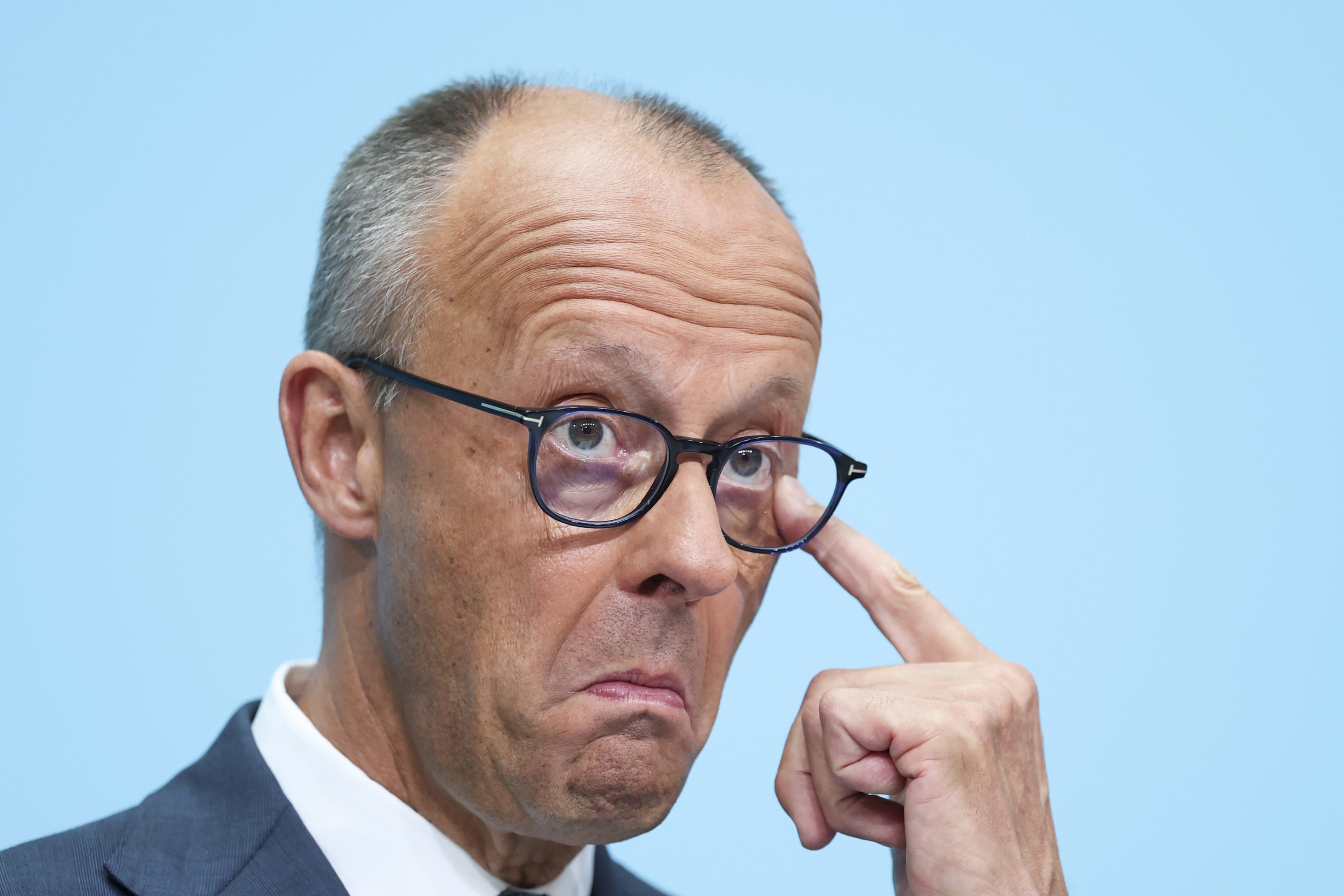
German Chancellor Friedrich Merz doubled down Monday on pushing through unpopular reforms to Europe’s largest economy after a far-right party surged to a landslide victory in a regional election in Saxony-Anhalt. The Alternative for Germany (AfD), which gained outsized prominence in the vote, fell just short of a majority. Merz, leader of the center-right Christian Democratic Union (CDU), called the result 'the most serious election defeat the CDU has had for years, for decades,' but insisted he would not abandon his reform agenda. He stated, 'giving up is not an option for me.'
The AfD's victory, though short of a majority, has raised concerns about its potential to form a government, especially given its reputation as a proven right-wing extremist group by Germany’s domestic intelligence agency. Merz emphasized that Germany will stick to its values and stance on Russia, despite the AfD's victory, which he described as a major distraction amid ongoing challenges like Russia’s aggression against Ukraine and potential NATO threats. He vowed to reassure Germany’s allies that 'our institutions are resilient and stable,' citing Germany’s historical responsibility.
Merz’s push for reforms, including changes to the pension system, has faced significant opposition. His governing coalition, the Union bloc and the Social Democrats, has been unpopular due to internal squabbling. Merz, however, remains committed to his reform course, stating, 'we need fundamental reforms in Germany' and that 'we must not squander the opportunities of our children and grandchildren.'
The AfD’s victory has sparked reactions from both supporters and critics. Billionaire Elon Musk congratulated the party on X, while Russian envoy Kirill Dmitriev praised AfD for its 'pragmatic' stance on migration. Conversely, French Foreign Minister Jean-Noel Barrot condemned AfD’s platform as a betrayal of European values, and Polish Prime Minister Donald Tusk criticized the victory. Among voters, reactions were mixed, with some expressing shock over the AfD’s rise.
Upcoming regional elections in Berlin and Mecklenburg-Western Pomerania on September 20 could further solidify AfD’s influence. Meanwhile, AfD’s candidate Ulrich Siegmund faces challenges in forming a government, including potential alliances with the hard-left BSW party, which shares some AfD’s policies but opposes others. Siegmund has signaled willingness to negotiate but insists on maintaining a clear mandate.
The broader implications of the AfD’s regional success extend beyond Germany, raising questions about the future of far-right movements in Europe and the stability of democratic institutions in the region.
Source: Fortune