 BBC Stocks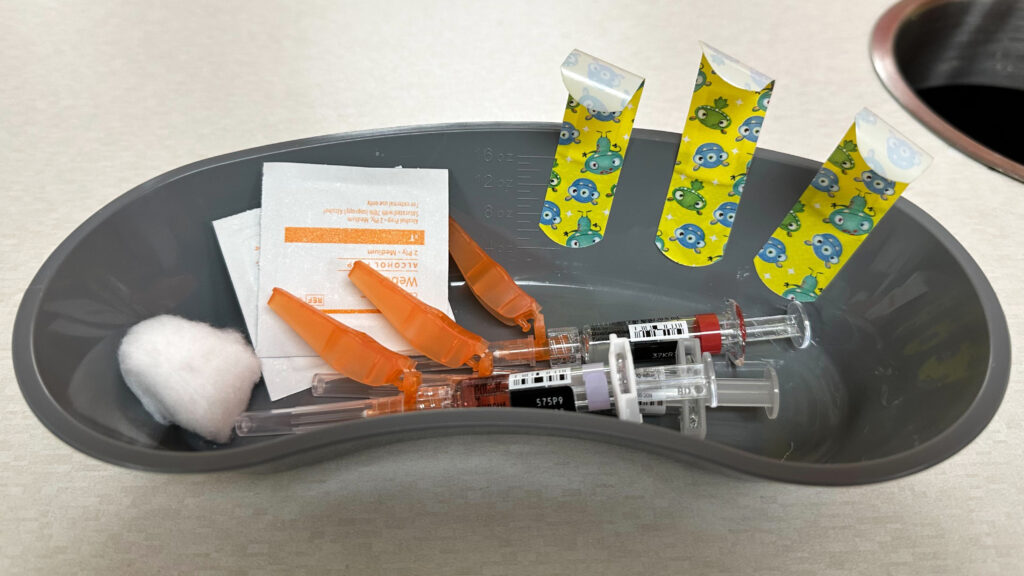
When I was in kindergarten in 1961, I survived a near-fatal case of measles. One of my siblings caught it, then another, and then me. They recovered quickly, but my clearest memory of that period is my father carrying me to our station wagon and rushing me to the hospital.
I stayed for a month, part of it in a coma, my blood pressure dangerously unstable. Since I survived rather than dying, why is my story worth repeating? The answer is simple: Children who die don’t grow up to tell their own stories.
My experience — and my career as a physician, epidemiologist, and public health expert who has held senior positions in state and federal government — compels me to speak out and issue this warning: The current surge in measles cases should worry all of us. When I fell ill, there was no vaccine. Six decades, a proven vaccine, and 26 years of measles elimination later, children are again enduring what I went through — and some are dying.
This July, the U.S. surpassed the entire 2025 measles case count. Four measles-related deaths have now been reported in Pennsylvania — two in children, one in an 18-year-old, and one in a 40-year-old. Nationwide, this year already has the most measles cases since 1991 , with back-to-school season underway and holiday season still ahead.
Measles is one of the most contagious diseases on Earth. It spreads through the air and can linger for up to two hours after an infected person leaves a room. A single case can infect nine out of 10 unprotected people nearby.
My family experienced measles firsthand, but most physicians today have rarely seen an actual case. And since early symptoms can mimic other respiratory illnesses, patients can expose many others before anyone recognizes what is happening. In the most severe cases, patients can develop pneumonia or brain swelling that can cause permanent disability or death.
And even when patients don’t die, measles can have devastating effects. One in 5 unvaccinated patients is hospitalized — and I know firsthand how costly, emotional, and traumatizing this experience can be for a patient and their loved ones. The pathway to stopping this surge isn’t a mystery.
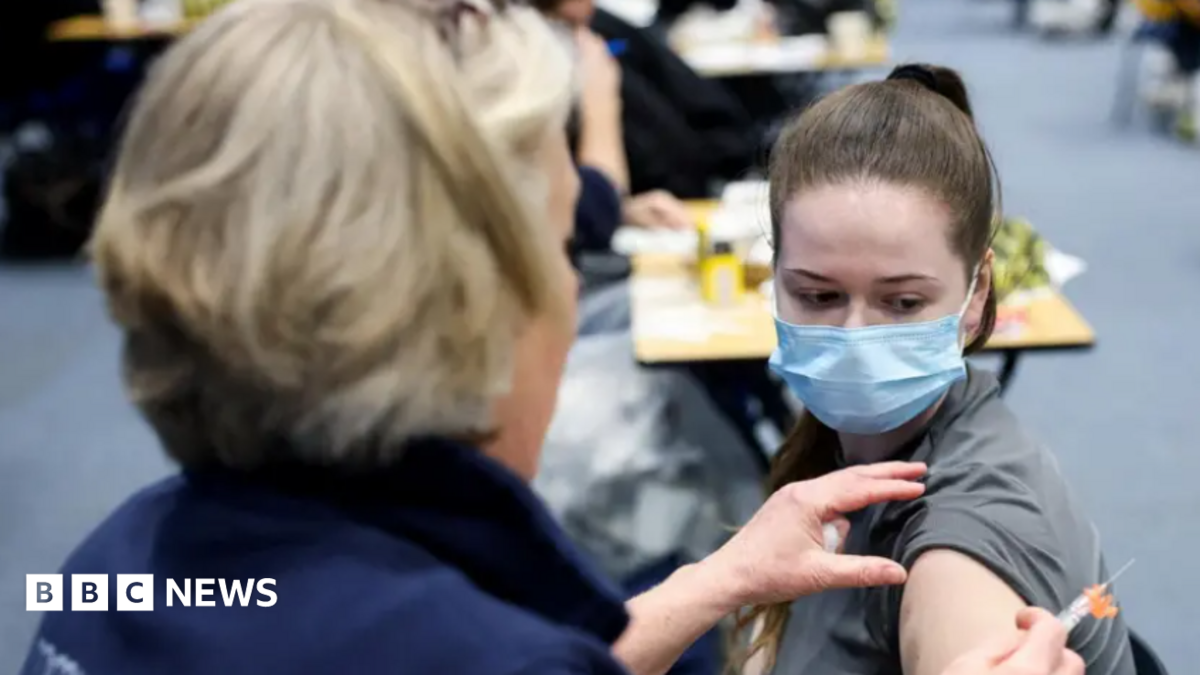
One dose of the MMR vaccine is 93% effective ; two doses are 97% effective. At 95% community vaccination, measles struggles to gain a foothold. Yet U.S. childhood MMR vaccination rates fell to 92.4% in 2025 .
My older sister still reminds me that she prayed for my survival. But I know other factors worked in my favor. My family had health insurance, a pediatrician, and access to high-quality hospital care.
My mother paid close attention to public health information, and our town had a robust public health department. Those resources aren’t available to everyone. In fact, decades of working in medicine and public health have taught me that the biggest obstacle to vaccination is often not outright refusal.
Instead, it’s a lack of access to health care, insurance, public health services, or someone who can answer their questions in plain language. Misinformation and false claims about measles and vaccines compound the problem, leaving parents unsure whom to trust. I am extremely troubled by recent changes to the federal processes designed to guide vaccine recommendations and build public confidence.
These mixed messages and unexplained changes have created hesitation in exam rooms and living rooms nationwide. Turning this around requires clear action and capitalizing on opportunities to counter chaotic communication. First, we need more stories about what works.
I’ve seen plenty of families and communities maintain high vaccination rates through constructive, nonjudgmental conversations, and accurate, plain language information from trusted sources. The media should be highlighting those successes. Second, we physicians, nurses, pharmacists, scientists, and other health professionals must be vocal advocates for evidence-based guidance.
It has been there for decades and we must continue to point to it to drive clarity. The voices of local health professionals who know their communities matter enormously and are often the most trusted and accessible sources in underserved areas. We must work with policymakers to leverage the experts who can fortify our public health, not allow it to erode.
Above all, we need optimism paired with collective action. Vaccination doesn’t exist in isolation from the other things children need to thrive. Protecting their health means ensuring access to health insurance and medical care, nutritious food, safety from harm, quality education, and strong communities.
It also means continuing to invest in science and public health systems capable of preventing diseases that previous generations worked so hard to control. As a physician and a measles survivor, I know exactly what’s at stake right now. I’ve watched with frustration and fear as measles has reemerged, and I know that we’ll need to strengthen our public health messaging and systems to counter this increasing threat.
I get to tell my story. If we fail to protect children through vaccination, more will suffer as I once did, and some will never have the chance to tell theirs. Jewel Mullen, M.D., M.P.H., M.P.A., is an associate professor in the population health and internal medicine department at Dell Medical School at the University of Texas at Austin .
Source: STAT