 BBC Stocks
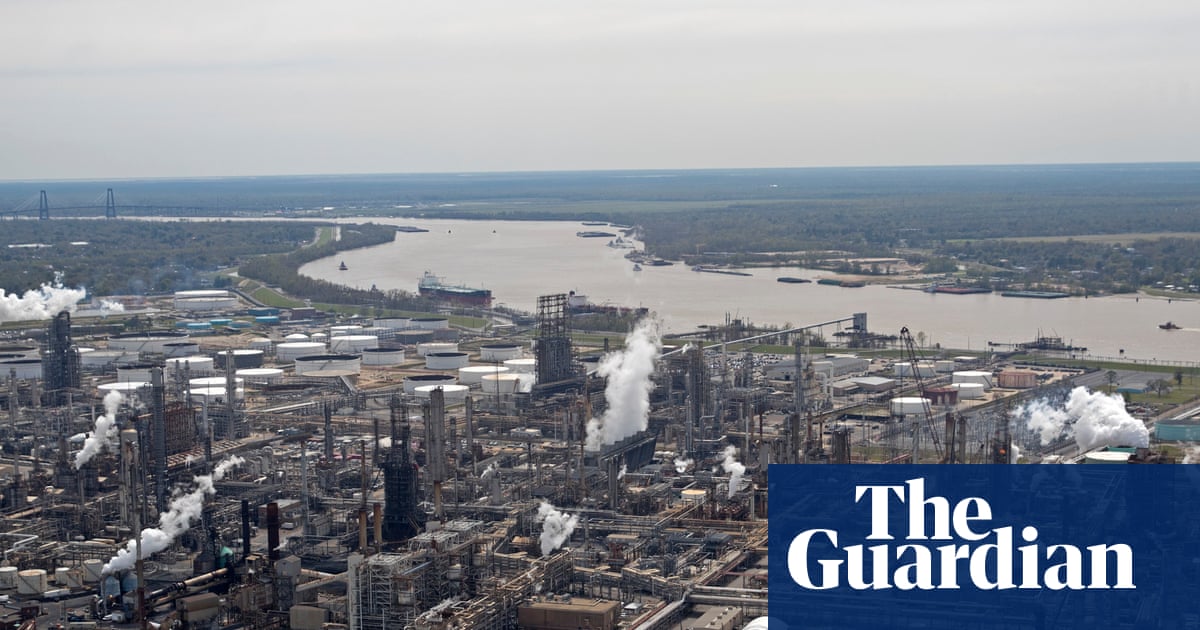
A study looking at babies hospitalized in New Orleans found that babies born to mothers from neighborhoods in south-east Louisiana with high levels of industrial pollution were four times more likely to suffer from severe congenital heart defects. Published last week, the study in the Environmental Health journal looked at medical records for 454 infants hospitalized at the two major Louisiana hospitals that can provide surgery for heart defects in babies. Researchers traced back where the mothers of these infants lived, examining the levels of industrial toxic pollution in their communities using the US Environmental Protection Agency’s risk-screening database.
Compared to infants from low-pollution areas in the region, the odds of congenital heart defects were 4.3 times higher for infants from toxic hotspots, and 3.1 times higher for infants from places with intermediate levels of pollution. Some of the babies in the study were patients of Dr Kelly Gajewski, a pediatric cardiologist at Manning Family children’s hospital and professor at Louisiana State University Health Sciences Center. “I think the biggest part of it is that it is very anxiety-producing to have a baby that has congenital heart disease,” Gajewski said.
When she moved to Louisiana more than a decade ago, Gajewski thought she was seeing a lot more cases of severe congenital heart disease in children. “I had some suspicions that there was something in this state leading to higher rates,” she said. That led her down a path of exploring environmental factors as possible contributors to the conditions.
The study shows that the impact of industrial pollution on Louisianans’ health starts in the womb, said the lead author, Kimberly Terrell, who is a research scientist with the Environmental Integrity Project. “ When we think of really serious health effects, we think about cancer and COPD [chronic obstructive pulmonary disease] that come from long-term exposures, but developmental impacts come from pretty short exposures,” she said. “We know that early in pregnancy is the critical window of heart development and also development of other body systems, so you have this pretty narrow three-month window where it’s really critical to reduce these exposures.” The researchers looked at infants born from 2018 to 2021 and their mothers’ potential exposure to 20 toxins known to cause adverse health effects during early development, including benzene, formaldehyde and toluene.
The study left out cases where the mother was recorded as having smoked, consumed alcohol or had diabetes during pregnancy. “We wanted to focus on the births we would expect to be healthy,” Terrell said. “We can confidently say this risk is unattributable to smoking, alcohol or diabetes.” Louisiana has among the highest rates of infant mortality and industrial emissions in the US.
Previous studies have linked Louisiana’s toxic air pollution to low birthweights and high cancer rates among Black and impoverished communities. Petrochemical facilities are the largest source of toxic pollution in the state. Every 15 minutes , a baby is born with a heart defect in the US, according to the Centers for Disease Control and Prevention (CDC).
Having a child diagnosed with a serious heart defect can be life-altering, Gajewski said, adding that the parents of some of her patients move to New Orleans to be closer to the hospitals where their children are receiving care. About 15% of infants born with critical forms of heart defects do not survive their first year of life . Of the 454 babies with heart defects studied, 194 of the cases were severe and 38 of the babies died during the study’s timeframe.
The study team included researchers and medical staff at the hospitals. “Although modern medical care can save the lives of babies born with serious heart defects, almost all of these children will continue to need specialized care and will face higher risks of learning disabilities, mental health disorders, heart failure, or other organ problems during their lifetime,” Gajewski said. The study team suggests that fewer babies in south-east Louisiana would be born with life-threatening heart defects if maternal exposure to industrial pollution was reduced.
“If there’s political will, it can happen,” Terrell said.
Source: The Guardian